A short audio portrait of the man behind the house — from a single mule team to one of Mobile’s most successful Black-owned enterprises.
Audio produced for the Dora Franklin Finley African-American Heritage Trail.
Dave McDuffie Patton was born November 26, 1879, in Whistler, just outside Mobile. He started with a single mule team hauling goods; by 1910, the Mobile Register counted forty mules and some eighty laborers in the dray, wrecking, and contracting business he ran from Royal Street.
His crews graded roads and laid foundations across the city — Murphy High School, Lyons Park, the Saenger Theatre, and the Alabama State Docks among them — proving that a Black-owned firm could win and deliver major public works in the Jim Crow South.
Patton died September 7, 1927, in Colorado Springs and rests at Magnolia Cemetery. Local historian J. Higginbotham remembered him as Mobile’s first Black philanthropist.
Drawn from Avenue by Mobile historian Paulette Davis-Horton.
The corridor now called Martin Luther King Jr. Avenue was once uneven, hilly ground. Working with his mule teams, Patton graded and leveled great stretches of it — making the land usable for the roads, homes, and businesses that grew into the commercial heart of Mobile’s Black community.
For generations, residents believed Davis Avenue was named for Dave Patton himself. Research shows the name predates his birth — yet the legend says something true: his labor made the Avenue possible, even when official recognition never followed.
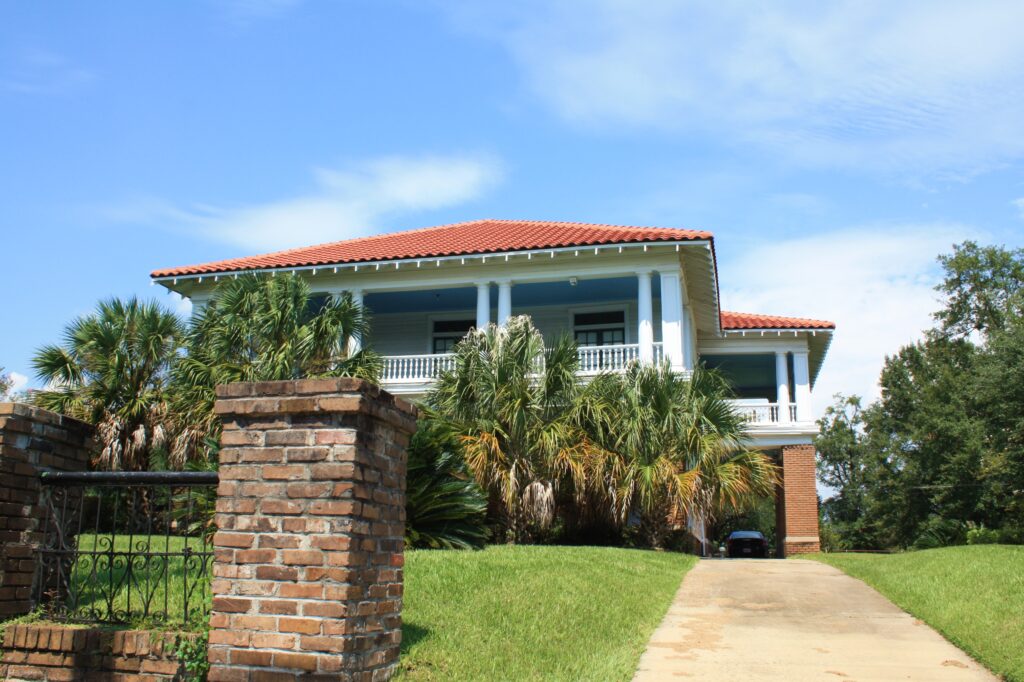
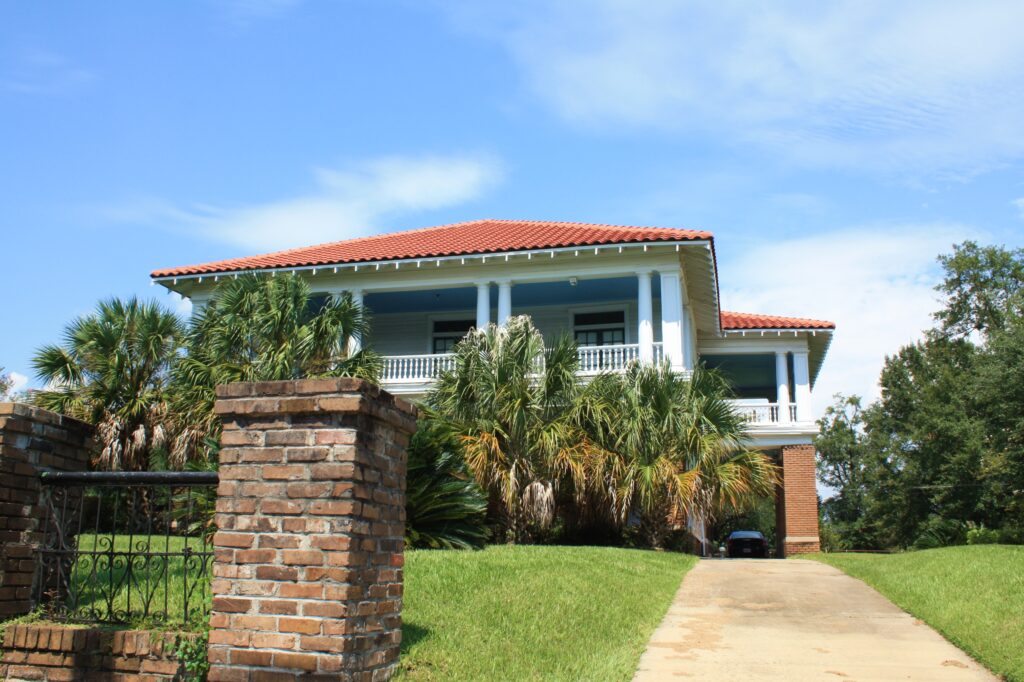
Built in 1915 and attributed to architect George B. Rogers, the house blends Craftsman honesty with classical grace: a red-tile hipped roof, a full-width two-story porch with paired columns, a porte-cochère for the automobile age, and interiors rich with built-in bookcases, benches, and original millwork.
It is the only known primary structure associated with Dave Patton — rare surviving evidence of Black economic achievement in the segregated South. The house was listed on the National Register of Historic Places in 1987 for both its history and its architecture.
For years, Patton’s company supplied the mule teams that pulled Mobile’s Mardi Gras floats, and his workers carried the flambeaux that lit the parade routes. Without his men and mules, Carnival in America’s oldest Mardi Gras city — for Black and white Mobilians alike — would not have developed as we know it.
Black Mobilians built their own Carnival traditions in the face of exclusion — from the Order of the Doves, the first Black mystic society in 1894, to the Knights of May Zulu parading down Davis Avenue in 1938, to MAMGA, which carries the celebration forward today.
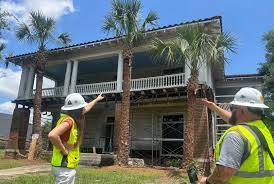
In 2024, Mobile County launched a comprehensive rehabilitation of the house — roughly 5,400 square feet of careful, evidence-driven restoration led by Rogers & Willard with Watermark Design Group and Thompson Engineering. Original doors have been stripped to their wood, historic hardware restored, and the butler’s pantry rebuilt from physical evidence.
When the work is complete, the Dave Patton House will anchor the Mobile County Civil Rights & Cultural Heritage District — a home for exhibitions, education, and community gatherings that keep his story alive.
The Dave Patton House is managed by The Dave and Lorna Patton Historic Preservation Society, Inc., which is committed to preserving it as a living testament to African American history, education, fortitude, and pride.